







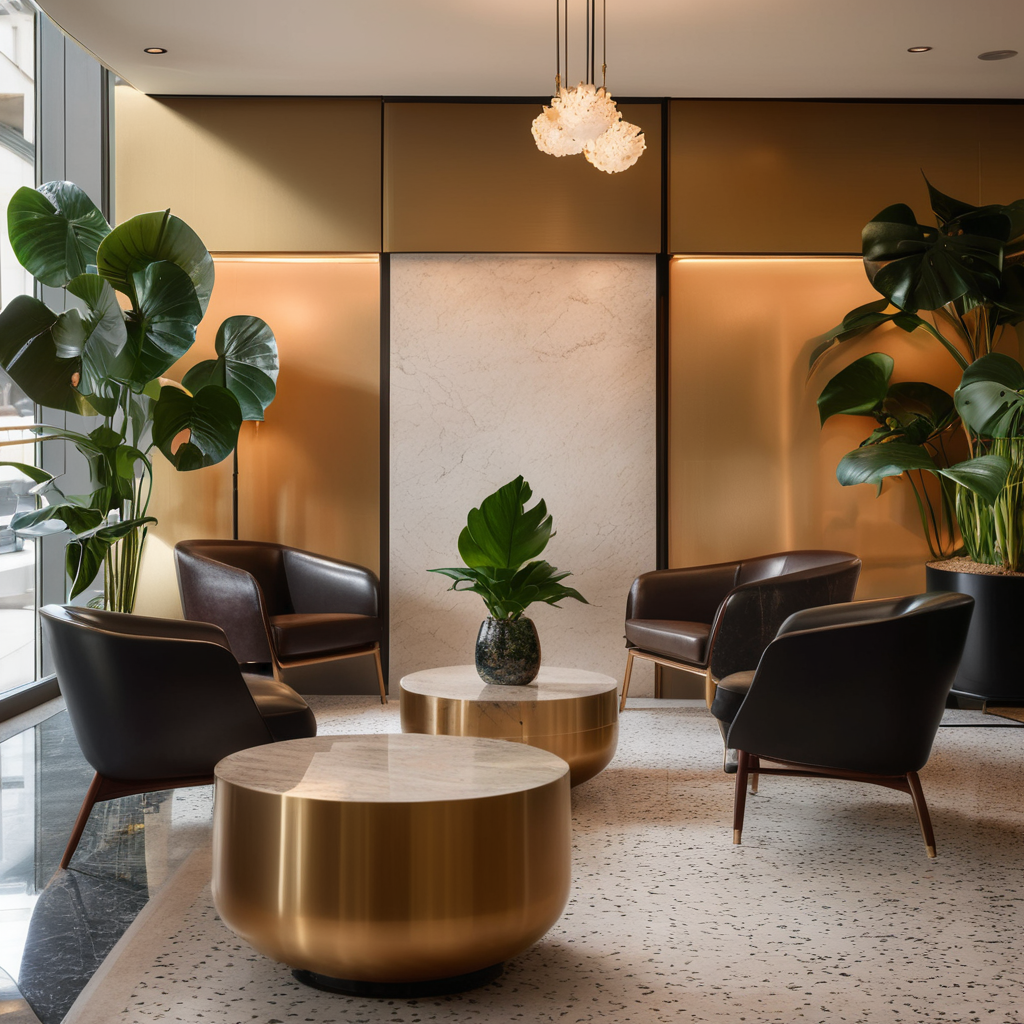



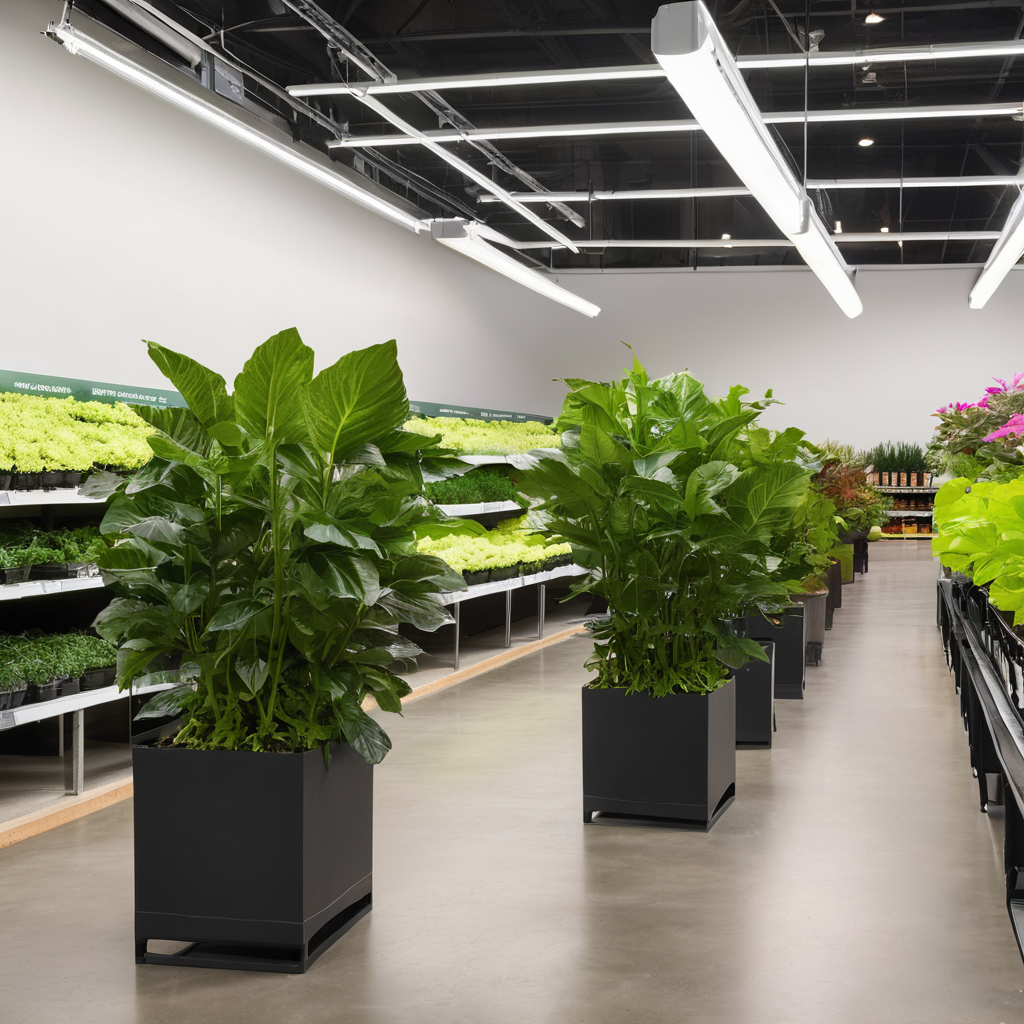
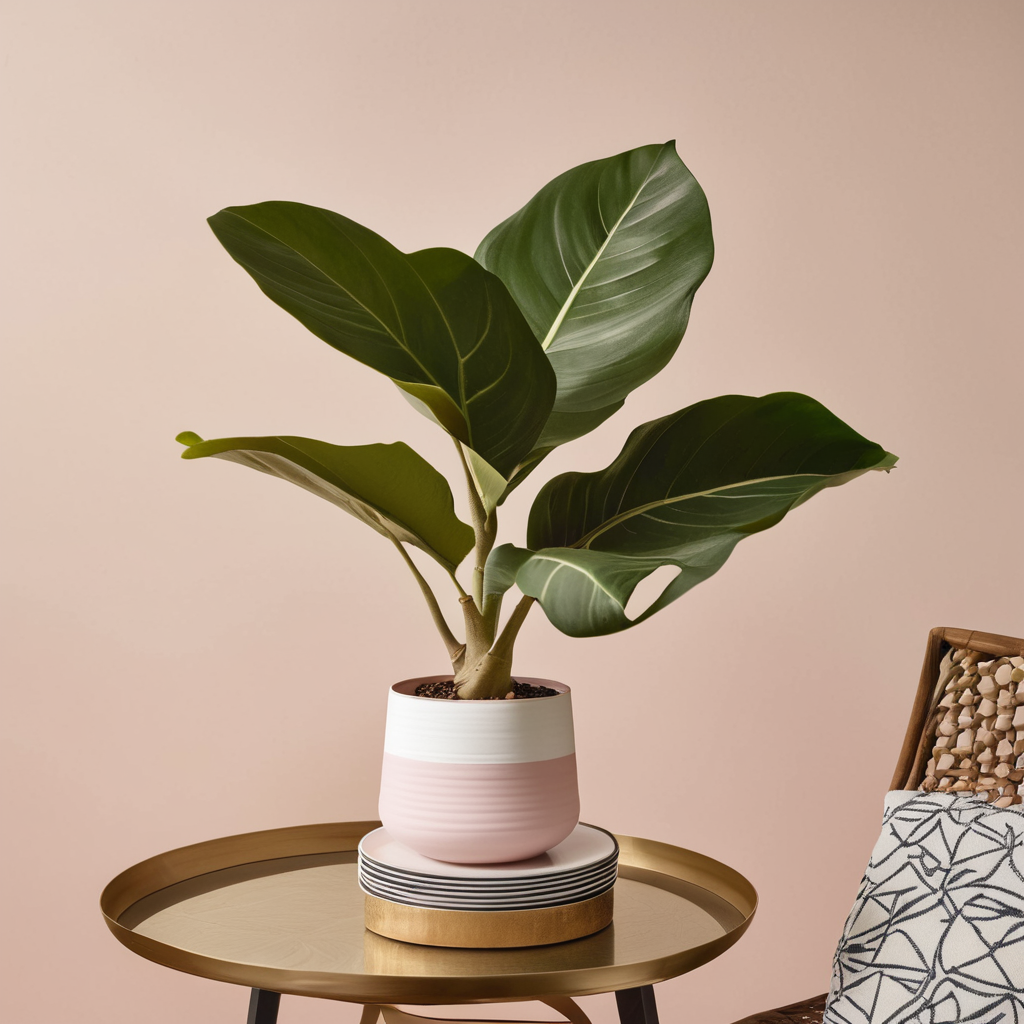
A proposal for LiveTrends Design Group

Imagery at the speed
of your retail calendar.

A custom-trained AI image pipeline for the LiveTrends portfolio — Wellington, Lumina, Brook, Ellis, Vintage, Illuminate, Urban Jungle, BeYou. Operated by your team. Running on your network. Not a vendor's cloud.

scroll
The opportunity

You ship 12 million plants a year. You can't shoot 12 million scenes.

LiveTrends operates at a scale most photography teams aren't built for. New SKUs land constantly. Sub-brands have distinct visual identities. Lowe's, Target, garden centers, European retailers — every one wants different staging. Spring, summer, fall, holiday — every season needs new variants.

The marketing-asset matrix you should have looks like this:

12M
Units shipped per year
16,000
North American stores
5
Countries served
4+
Sub-brands & collections
300K
Homes per week
500+
Staff worldwide
The math: ~50 active SKUs × 8 retailers × 4 seasons × 3 environments = ~4,800 lifestyle assets per year if you covered every combination.

Most production schedules deliver a fraction of that. Not because the work isn't worth doing — because traditional photography can't move at retail speed.

The proposal

A custom imagery pipeline, trained on your products. Three core capabilities.

01

Lifestyle scenes for every SKU

Take one product reference — a Wellington, a Lumina, a Brook. Generate dozens of variants in modern homes, mid-century interiors, kids' rooms, kitchens, garden patios, restaurant lobbies. Same pot. Many environments. Hours, not weeks.

02

Retailer-specific staging

Lowe's lifestyle ≠ Target lifestyle ≠ Whole Foods ≠ European garden centers. Each has its own visual brief. The pipeline produces variants for each retailer's aesthetic from the same base SKU.

03

Seasonal & regional variants

One pot, four seasons. Spring with daisies, summer with succulents, fall with maple branches, holiday with evergreens. Same base SKU, four campaigns, ready before the buying meeting.

How it works

Five steps. No agency middleman. Your photographer keeps directing.

Train

Custom model on your catalog

One-time fine-tune on LiveTrends product photography. The model learns your specific glazes, silhouettes, brand styling. ~1 day of training.

Reference

One product photo

Your photographer takes a clean reference shot of the SKU — or you use existing catalog imagery. That's the input.

Generate

50 scene variants overnight

The pipeline produces 50 scene variants — different rooms, retailers, seasons, plant pairings. Print-ready 4K.

Curate

Photographer picks winners

Your team reviews, marks favorites, requests re-rolls on anything off-brand. The curation is the craft.

Deliver

Days, not weeks

Final assets out. Same expertise. 50× the output. The photographer becomes a force multiplier instead of a bottleneck.

Examples

What the model learns from. What it produces.

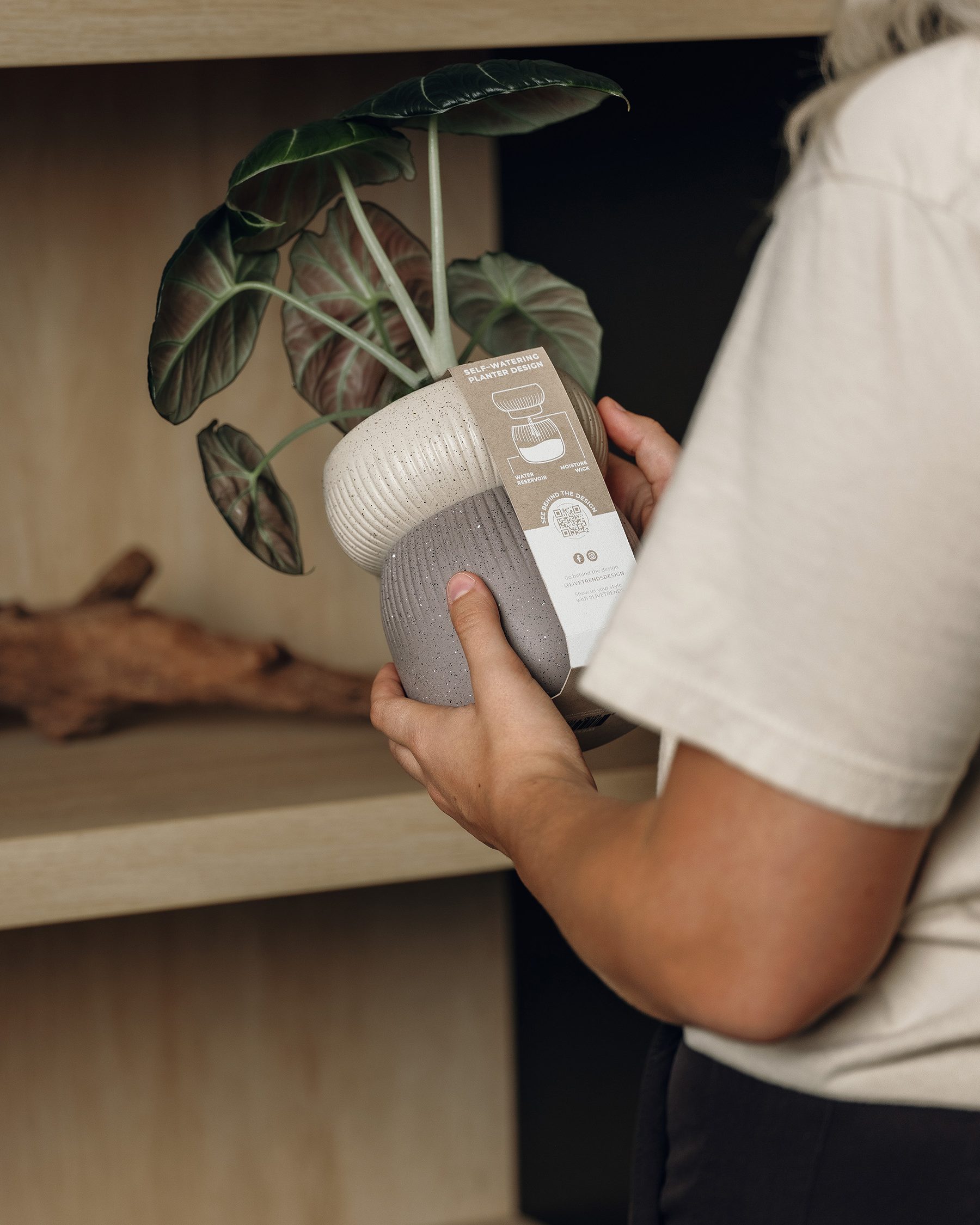
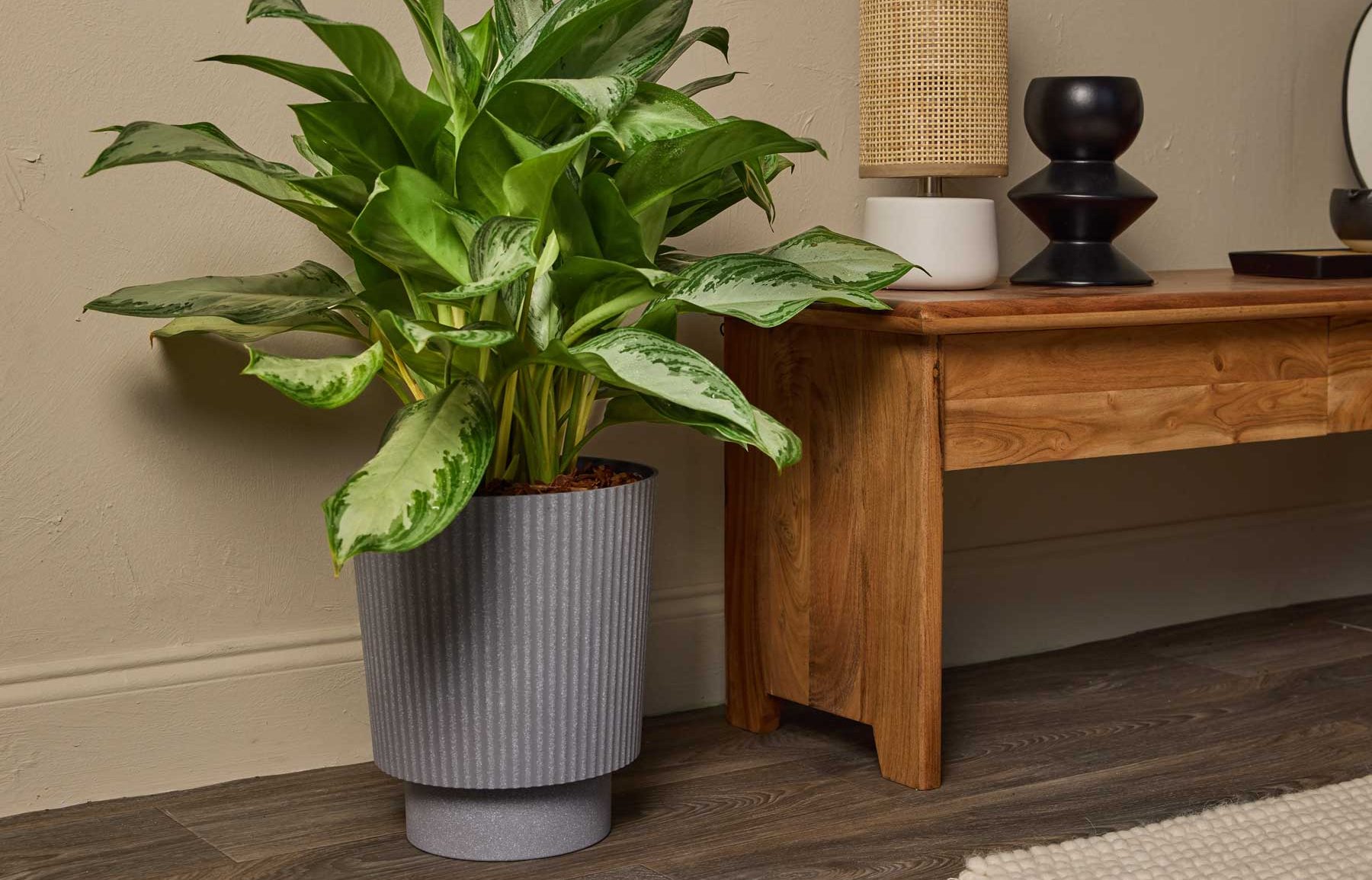
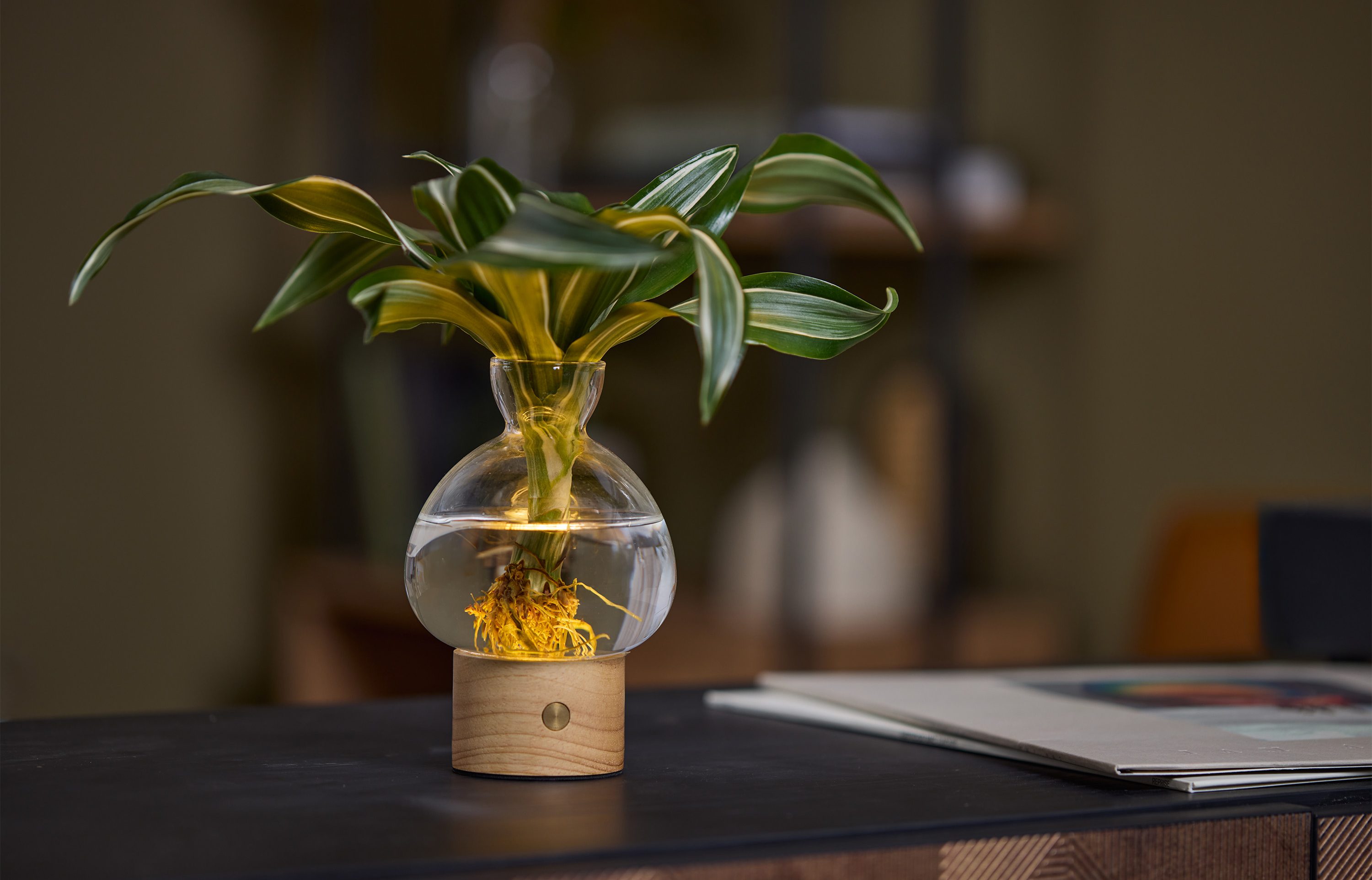
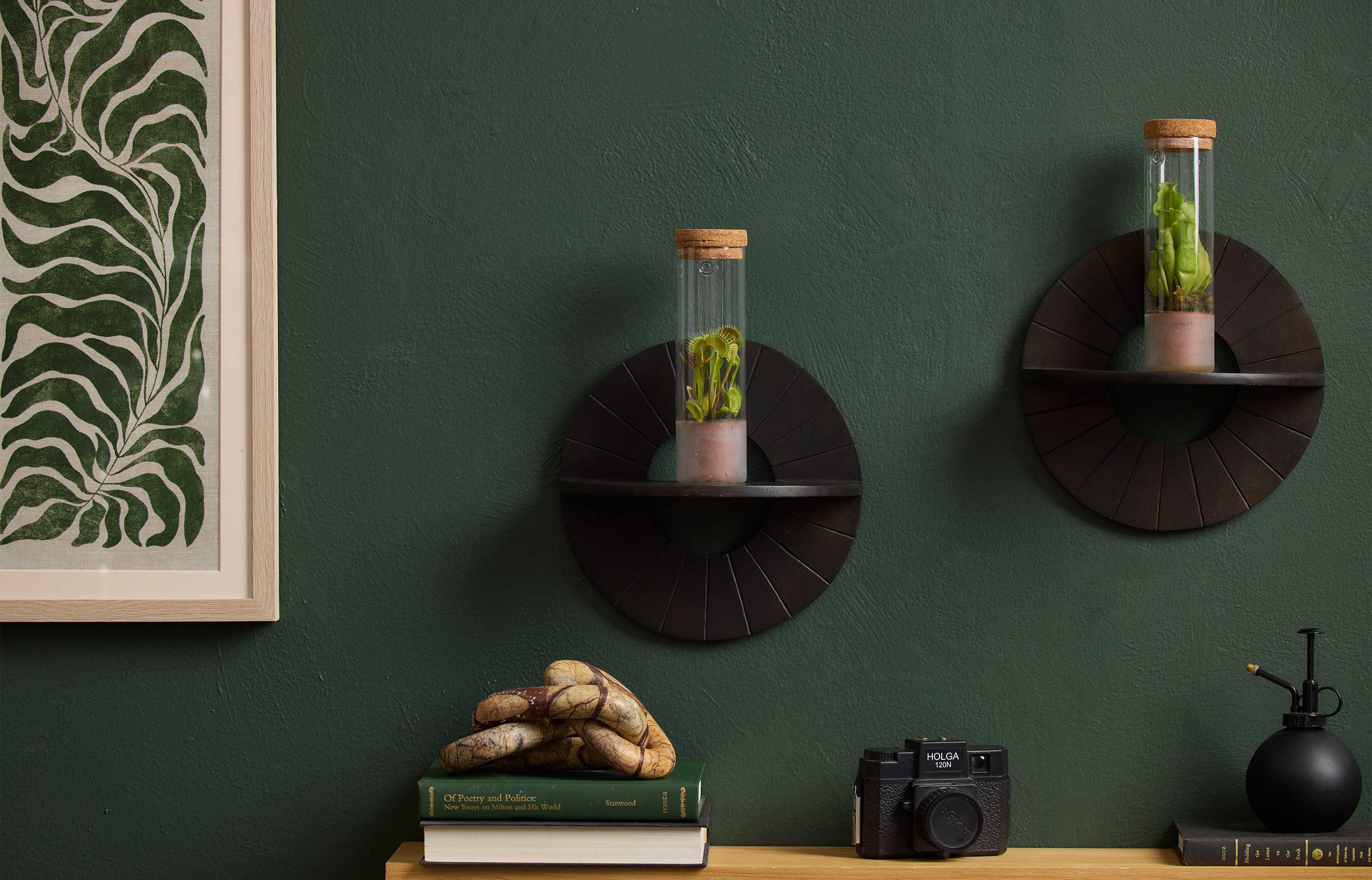
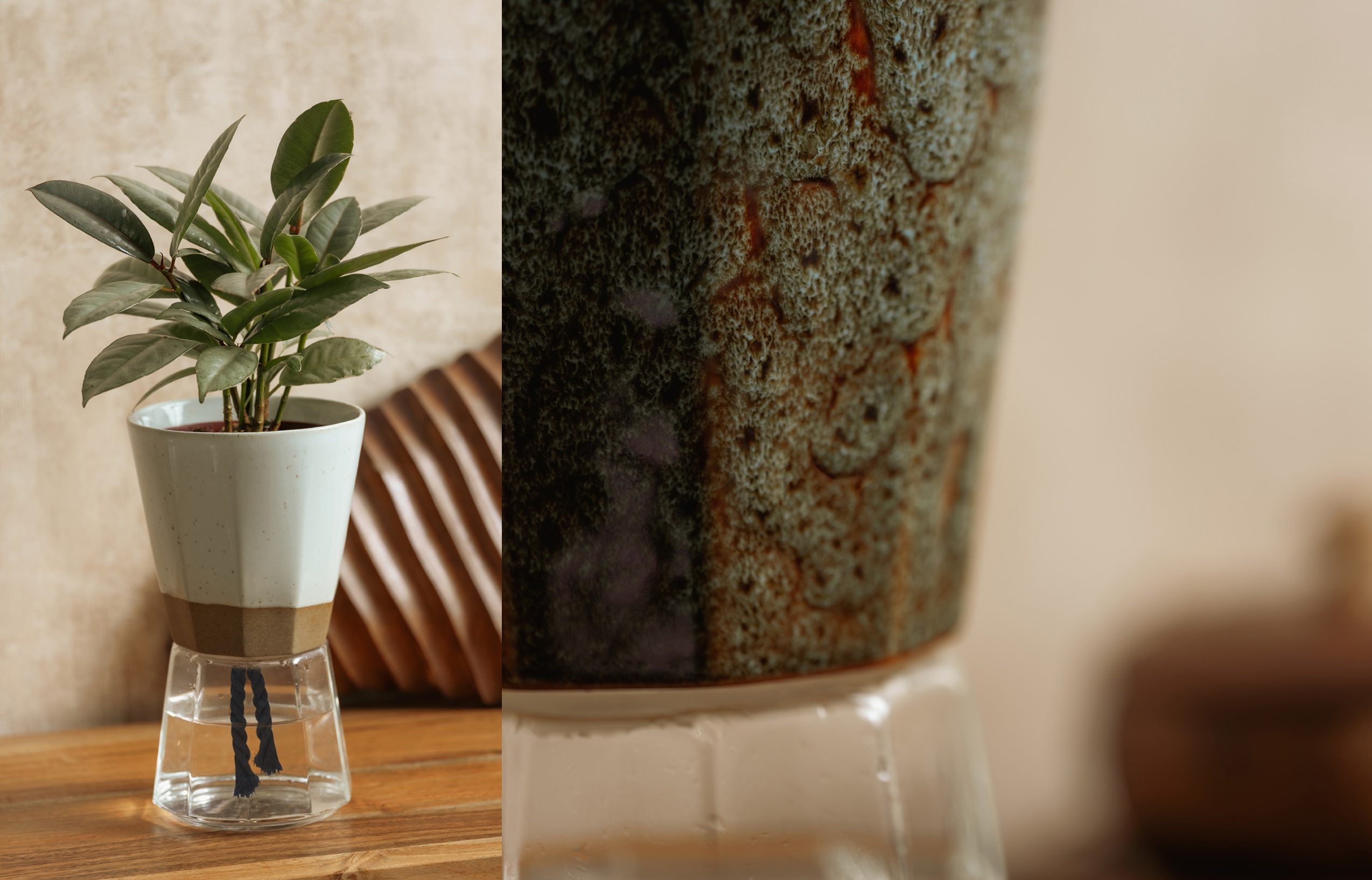
Below: a sample of the LiveTrends product imagery the model would train on. These are your products as they exist today — Wellington, Lumina, Brook, Ellis, Vintage, Illuminate, Urban Jungle, BeYou, Crafted Beauty, Carnivorous, Tayrona.

Reference imagery the model trains on

Wellington
Wellington
Lumina
Lumina
Brook
Brook
Ellis
Ellis
Vintage
Vintage
Illuminate
Illuminate
Urban Jungle
Urban Jungle
BeYou
BeYou
Carnivorous
Carnivorous
Lumina split
Lumina (split)

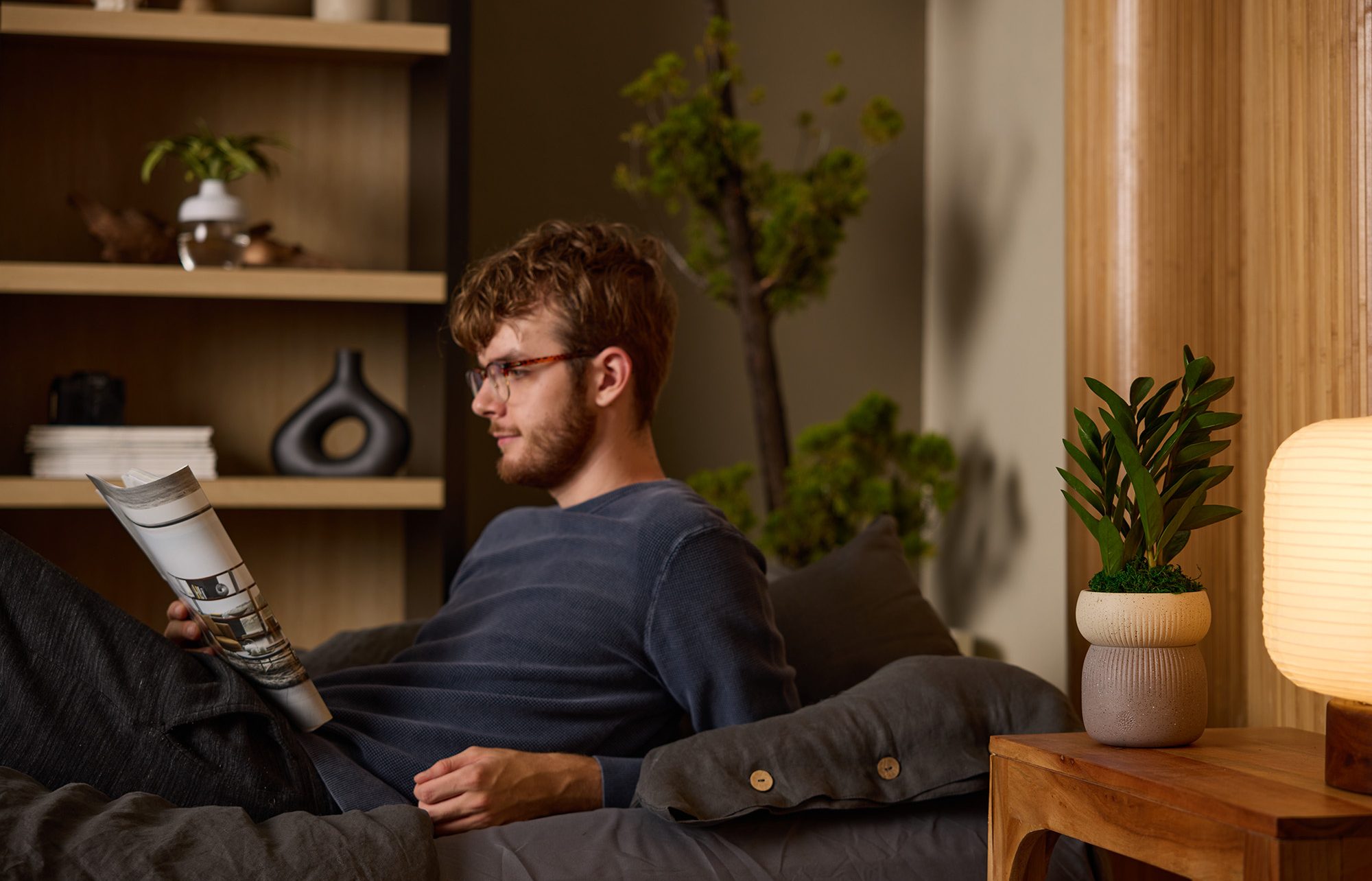
Lifestyle context already on-brand

These styled shots are the visual language the trained model would inherit and extend.

What the trained model would produce

The actual demo renders — same SKUs, generated by the trained model in environments the photographer didn't shoot — are coming this week. These placeholders preview the deliverable.


Coming May 11
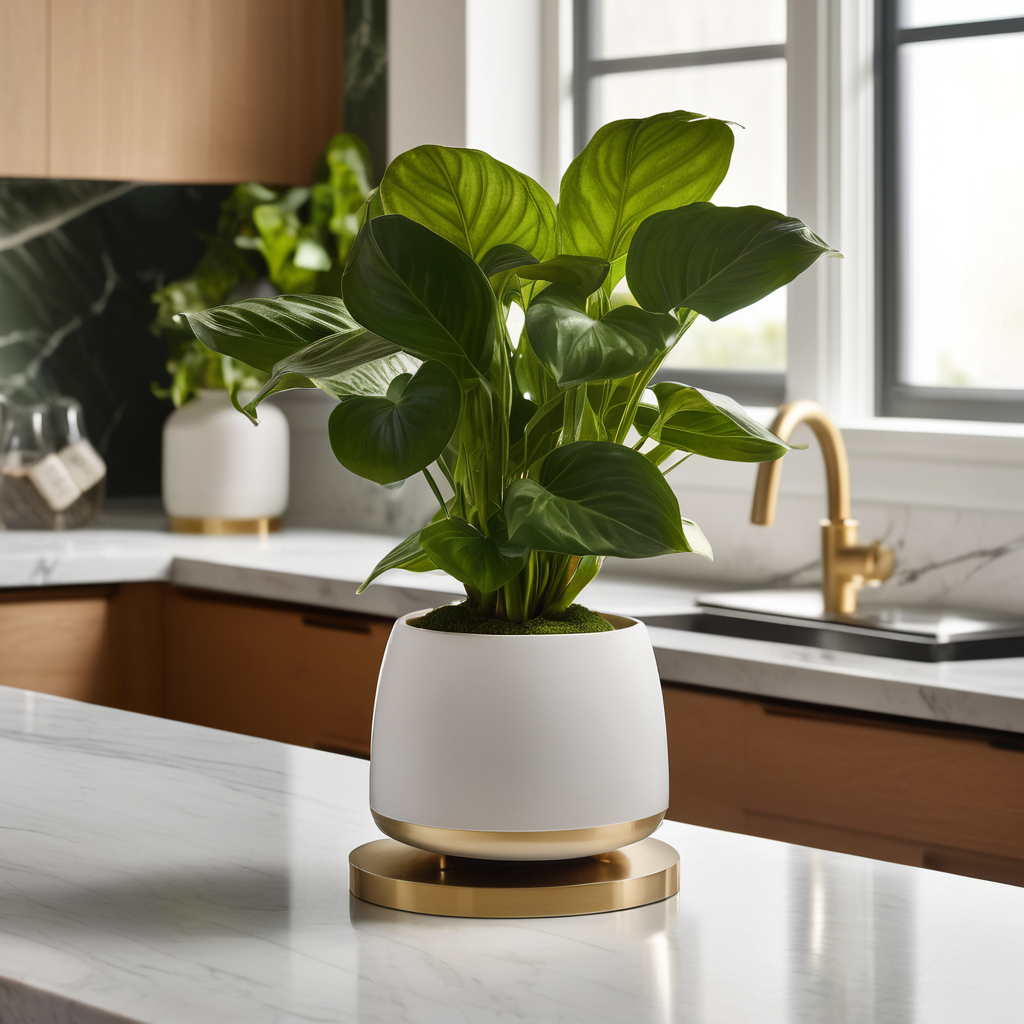
Wellington — Modern Kitchen
Generated lifestyle scene
Coming May 11
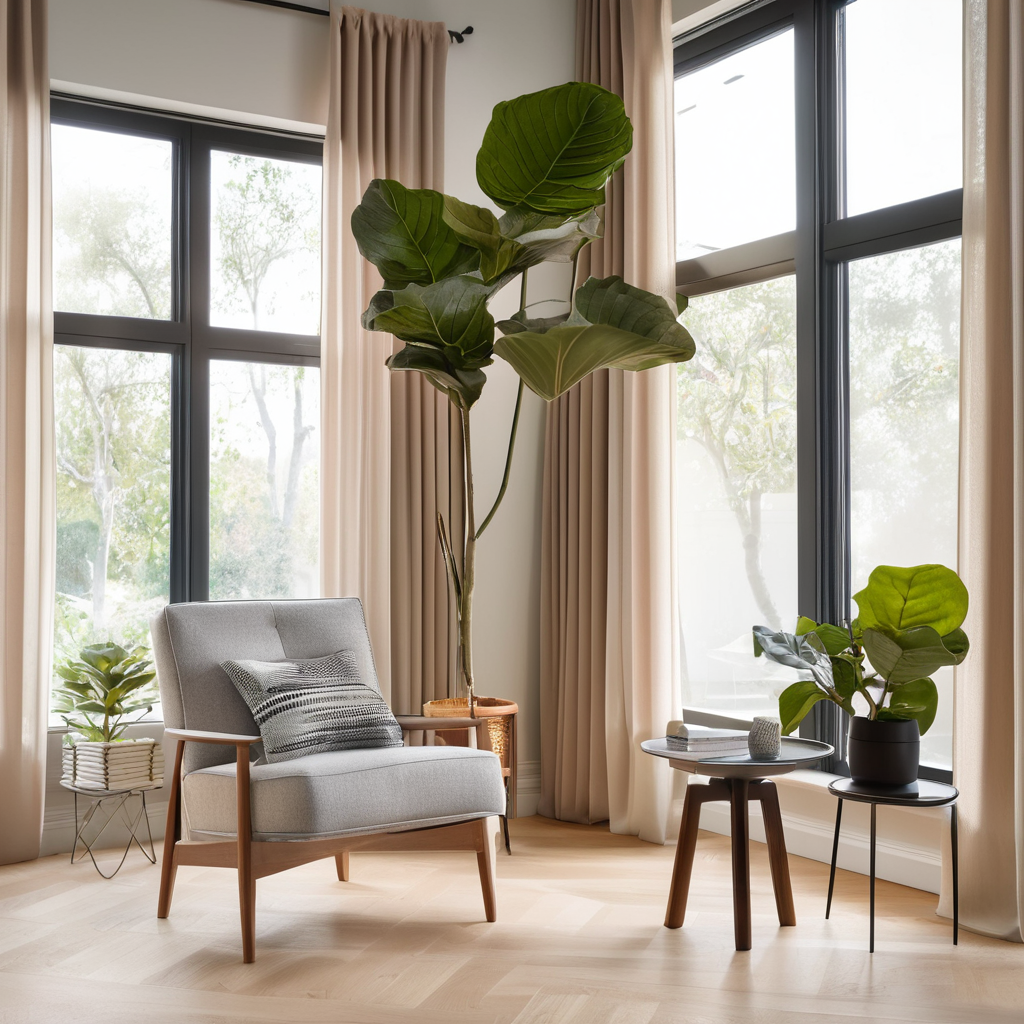
Lumina — Nordic Living Room
Generated lifestyle scene
Coming May 11
Brook — Hotel Lobby
Generated lifestyle scene
Coming May 11
Ellis — Garden Patio
Generated lifestyle scene
Coming May 11
Vintage — Spring Variant
Same SKU · seasonal restyle
Coming May 11
Vintage — Holiday Variant
Same SKU · seasonal restyle
Coming May 11
Wellington — Lowe's Brief
Retailer-specific staging
Coming May 11
Wellington — Target Brief
Retailer-specific staging
Why custom-trained matters

Generic AI doesn't know your products. It guesses.

A trained model knows the difference between a Wellington and a Lumina. It knows the brass roots glaze, the way Vintage stacks on a retail endcap, what an Urban Jungle composition looks like vs a BeYou holiday styling. Generic Midjourney does not.

Generic AI
"plant pot in a kitchen"
— could be anyone's product. Wrong glaze, wrong proportions, no brand DNA.
Trained on LiveTrends
Same prompt.
Recognizably an Illuminate. On-brand. Your photographer didn't have to shoot this room.
Same prompt. Different model. The right model knows your products.
Privacy & IP

Your designs never leave your network.

The pipeline runs on your hardware, on your network. Product photography, brand assets, in-development designs — they stay inside the building. Nothing gets uploaded to OpenAI, Midjourney, Adobe Firefly, or any third-party cloud.

For a brand whose designs get knocked off the moment they hit retail shelves, this isn't a footnote. It's the architecture.

"If a designer or competitor wanted to know what your spring 2027 line looks like, they couldn't scrape what was never logged on someone else's server."

Cloud AI tools (Midjourney, Firefly, ChatGPT)

  • Every prompt + reference image logged on the vendor's server
  • Per-image pricing scales painfully at LiveTrends volume
  • Designs sit in a third party's training data unless explicitly opted out
  • Disclosed in audits, regulatory filings, retailer compliance reviews

Local pipeline (this proposal)

  • Runs on your network. Air-gappable if needed.
  • Flat infrastructure cost — no per-image markup
  • Your IP stays in your IP
  • Audit-friendly: nothing to disclose because nothing left
The roadmap

Three phases. Each one earns the next.

No big upfront commitment. We prove the work, then earn the pilot, then earn the embed. You can stop after any phase.

Phase 1 · Done

Proof

No fee · this page
  • 50 generated images using only public LiveTrends imagery — no NDA, no internal access required
  • Side-by-side comparison: generic AI vs LiveTrends-trained
  • This page, this conversation
  • Zero risk to LiveTrends
FreeAlready delivered
Phase 3 · Embed

Permanent capability

Monthly retainer · scalable
  • Pipeline lives on LiveTrends infrastructure (or dedicated workstation)
  • Friend operates day-to-day, you stay on for retraining and new sub-brand expansions
  • Tier 1: maintenance + on-call ($4K/mo)
  • Tier 2: dedicated week per month + new launches ($7.5K/mo)
  • Tier 3: embedded ops + multi-staff training + 3D pipeline ($15K/mo)
$4K – $15K / moCancel anytime
Who runs this

Two people. Both already in the room.

This proposal works because someone inside LiveTrends actually operates the pipeline day-to-day. Without your photographer's product knowledge, the output is generic AI slop. With them, it's better than anything an outside agency would produce.

Day-to-day operator · LiveTrends

Your in-house photographer

  • Years inside LiveTrends. Knows the products, the brand voice, the retailer briefs.
  • Operates the ComfyUI workflow, requests model retrains as new SKUs land.
  • Curates output. Manages QA. Owns the brand-fidelity bar.
  • Trained on the pipeline during Phase 2 — solo by Phase 3.
  • Becomes more valuable to LiveTrends, not less.
Infrastructure · Orlando AI Solutions

Oscar / Orlando AI Solutions

  • Builds and trains the custom model on your catalog.
  • Maintains the pipeline (ComfyUI, ControlNet, IPAdapter, custom nodes).
  • Handles new sub-brand expansions — Urban Jungle 2.0, BeYou seasonal lines, future acquisitions.
  • On retainer for new product launches and quarterly retrains.
  • Local-first. Custom-trained. No agency markup.
Honest answers

Questions you'll have.

Will this replace our photographer?

No — and the proposal is structured specifically to make sure it doesn't. The pipeline only works if someone inside LiveTrends with deep product knowledge operates it. Generic AI without that domain expertise produces generic AI slop. With your photographer directing it, the output is on-brand at a scale you can't get any other way.

Phase 2 includes training your photographer on the workflow. By Phase 3 they're operating it solo. Their job becomes less about being the bottleneck on every shot and more about being the brand-fidelity gatekeeper across hundreds of generated assets per week.

What about Adobe Firefly Custom Models? We already have Creative Cloud.

Firefly Custom Models is the closest enterprise alternative. The honest tradeoff:

Firefly pros: integrated with Creative Cloud, no infra to manage.
Firefly cons: cloud-only (your designs sit on Adobe's servers), per-image pricing scales painfully at your volume, no operator embedding — Adobe doesn't send a person who knows your brand.

If you're already paying for Creative Cloud Enterprise, we can complement Firefly: train the on-brand LoRA here, hand it off to your Firefly workflow. The custom-training step is the differentiator either way.

What about retailer AI disclosure rules — Walmart, Target, etc.?

Walmart and Target have published guidance requiring AI disclosure for some asset categories. We label generation metadata at the file level so compliance is automatic. Lowe's currently has no disclosure rule for marketing imagery. Most lifestyle assets are fine; we flag any that aren't.

Worth noting: many of your competitors are already using uncredited AI imagery — without the audit trail. The local-pipeline approach is actually more defensible in compliance reviews.

What does the trained model actually look like? Is this a black box?

It's a LoRA (Low-Rank Adaptation) fine-tune on top of an open-weights base model — Stable Diffusion XL or Flux. Trained on your catalog. The model file is small (~50–200 MB), runs on a single workstation GPU (RTX 4090 / 5070 Ti / 5080-class). The pipeline orchestrator is ComfyUI, an open-source node-based workflow tool.

Nothing proprietary on the inference side. If you ever decide to take it in-house entirely, you keep the model. No vendor lock-in.

How fast can we start a pilot?

Phase 2 kickoff: roughly two weeks from a signed NDA. Breakdown: 1 week for catalog ingestion + initial training, 2–3 weeks for production generation + curation, final week for delivery + photographer training. Most efficient if scoped to one specific campaign with a real deadline (Lowe's spring reset, holiday Target endcap, etc.) — gives the work a measurable comparison point.

What if we already have an outside agency for this?

Two paths:

Replace: If the agency is mostly producing variants you could generate yourself with the right tooling, the embed pays back in months. Most agencies charge $200–800 per finished image; we land closer to $40–80 marginal cost at the volumes you'd run.

Complement: If the agency does work that needs human creative direction — campaign concept, photo-real packaging shots, brand films — keep them for that. Use the trained pipeline for the lifestyle-variant tail (the 80% that's currently uneconomic to commission).

Why Orlando AI Solutions specifically? Why not a bigger agency?

Honest answer: a bigger agency would charge $200–500K to do this and the deliverable would be a slide deck and a SaaS subscription. We're solo (Orlando, FL), local, and the cost structure reflects that. Phase 2 is $7.5–12K for a real working pipeline.

The other answer: this proposal only works if someone inside LiveTrends operates it. A bigger agency would never structure the deal that way — they need you dependent on them. We're structuring it the opposite direction: by Phase 3, you don't need us for day-to-day. We stay on for the model-engineering work that requires the specialty.

What hardware do we need?

One workstation with an RTX 4090 / 5070 Ti / 5080-class GPU (16–24 GB VRAM). ~$3K hardware, one-time. Optional: a second machine for batch runs if you want to generate overnight without tying up the operator's box. Everything else runs on standard Windows or Linux.

If you don't want to provision hardware, we can run the pipeline on our own infrastructure during Phase 2 and revisit hardware at Phase 3.

Next step

A 30-minute conversation. Bring whoever needs to be in the room.

If this is interesting — even directionally — the next step is a short call. We'll walk through the trained-model demo (ready May 11), answer hard questions, and decide together whether Phase 2 makes sense.

Oscar · Orlando AI Solutions · opies32765@gmail.com
Orlando, FL